
Canada’s plan to boost its economy must include rebuilding wild fisheries

Prime Minister Mark Carney has made his priority clear: rebuilding Canada’s economic strength through projects of national significance—investments that deepen resilience, improve productivity, and strengthen competitiveness. Yet one of the engines for long-term regional growth and resilience remains overlooked: wild fisheries. Most of Canada’s wild marine fish populations that sustain coastal economies are now depleted or in decline, with only about one-third considered healthy. That’s not an environmental footnote—it’s an economic and ecological fault line.
Wild fish sustained Indigenous Peoples from time immemorial and drew the first settlers to our shores. Today, more than 72,000 people make their living directly from commercial fishing, generating $4.6-billion in landed value. Few sectors are more tied to coastal communities, or capable of delivering economic renewal with the right federal leadership.
Healthy wild fish populations also offer something rare in public policy: a renewable, low-carbon source of growth that does not require new infrastructure or major public investment. When wild fish populations are abundant, they generate returns year after year—supporting employment, export diversification, food security, and stable regional economies.
But the economic base of our fisheries is precariously narrow. Four species—lobster, shrimp, snow crab, and scallop—account for 77 per cent of national landed value. In Newfoundland and Labrador, 96 per cent of snow crab is exported to the United States. When prosperity hinges so heavily on a few species and markets, communities become vulnerable to shifts in demand, environmental conditions, and stock fluctuations.
The good news is that Canada is not powerless. With federal leadership, wild fisheries can once again drive coastal economic renewal. Research shows that rebuilding northern cod alone could support up to 16 times more jobs and generate five times more economic value than it does today. Wild fish populations rebound when managed for long-term health, providing more for communities, industry, and future generations.
Canada has the tools to restore abundance. What’s missing is execution. Here are four key steps:
Fully implement the Fisheries Act. Of nearly 200 major fish populations, only 30 are formally listed under the Act’s Fish Stock provisions, which include legal obligations to manage them sustainably. At the current pace, it could take more than a decade before all depleted fish populations are covered under the Act. Early evidence indicates that stocks listed under these provisions are better managed for long-term health than ones that are not.
Commit to timely and transparent science assessments. Reliable information is essential for good decisions. That includes more consistent stock assessments, improved monitoring, and better integration of observations from harvesters. It also means pairing western science with Indigenous knowledge systems—an approach already delivering results in parts of British Columbia and Atlantic Canada.
Rebuild the foundation of the food web. Forage fish—small fish like capelin, herring, and mackerel—feed everything from cod and salmon to seabirds and whales. Rebuilding these populations is one of the most cost-effective actions Canada can take to support long-term ecosystem health and the sustainability of commercial fisheries.
Prioritize long-term fisheries prosperity. Several recent fisheries decisions—including the more-than-doubling of the northern cod quota—ignored the government’s own scientific advice. The government’s own analysis shows a 71-per-cent chance the northern cod population will decline further within three years, risking a return to the critical zone as early as 2028.
Today, only about 35 per cent of Canada’s fish stocks are considered healthy. With effective management, that could increase to nearly 80 per cent within a decade. That is achievable, evidence-based, and aligned with the government’s priorities of productivity, long-term value, and structural renewal.
If Carney wants an economic recovery with real staying power, he can seize one of the lowest-cost, highest-return opportunities available: restoring the natural capital of Canada’s oceans. Wild fish helped build this country. With leadership, wild fisheries can help rebuild our coastal economies once again.
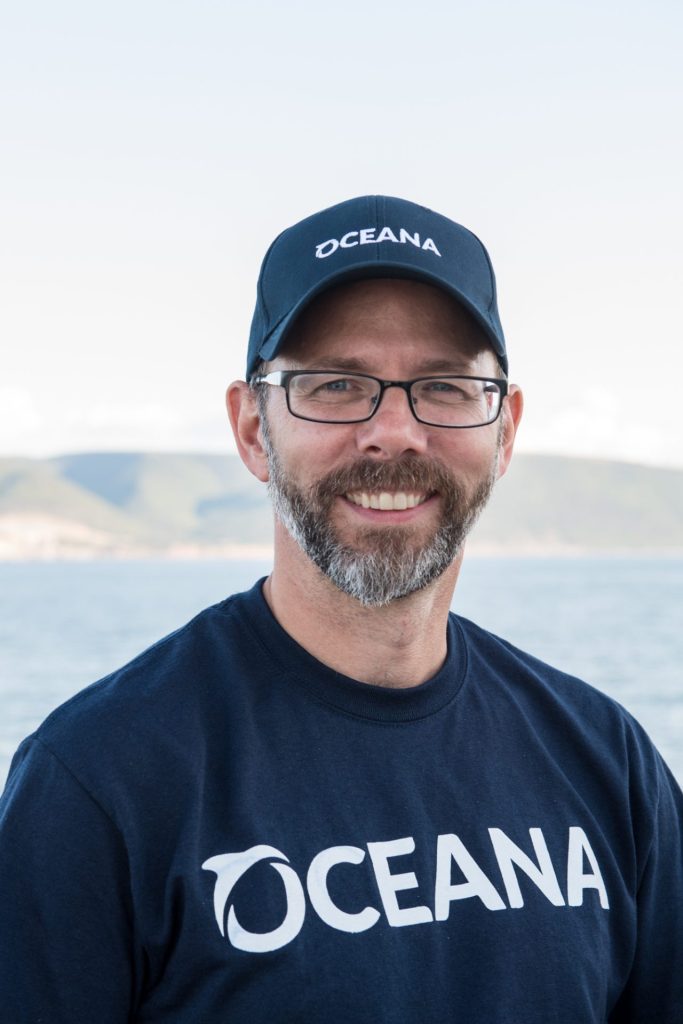
Josh Laughren is the executive director of Oceana Canada.
The Hill Times