
What Denmark can teach Canada about the future of food

Denmark, known for its pork industry and high meat consumption, became the first country in the world to launch a national Action Plan for Plant-Based Foods.

The action plan is widely supported across the political spectrum and evolved when farmers, civil society groups, and industry began collaborating to identify plant-based business opportunities rather than restricting production.
The initiative delivers economic value alongside climate, health, and environmental gains, drawing attention from countries around the world, including Canada.
Global demand for food is evolving due to population growth, climate pressures, and shifting preferences toward plant-based proteins. Among G20 nations that have updated their dietary guidelines in the past decade, more than 85 per cent—including Canada and Denmark—now recommend increased consumption of plant-based foods or plant protein. Countries that align policy, production, and innovation are positioning themselves to lead.
Denmark’s model emphasizes collaboration across sectors, promoting plant-rich diets, supporting farmers to diversify production, and investing across the value chain. The result is a more resilient farming sector, expanded export opportunities for higher-value products and measurable climate and environmental benefits.

As the world's largest exporter of lentils and a top exporters of dry peas, Canada's farmers, researchers, and food processors are already global leaders in plant-based protein production. Yet, much of what we produce is exported as raw commodities, while higher-value processing and product development often takes place elsewhere.
Canadian-grown pulses are frequently processed into protein ingredients or finished products abroad where much of the economic value, intellectual property, and job creation is ultimately captured. Closing that gap would strengthen domestic supply chains and enable this country to export higher-value products.
This is not a capacity problem. It is a co-ordination gap.
Denmark’s success reflects a focus on incentives rather than restrictions. It is a model built on carrots, not sticks.
Canada is in a period of significant economic transition. Expanding plant-based agriculture offers an opportunity to grow the economy, strengthen resilience, enhance food security and food sovereignty, and address climate change simultaneously. Legumes such as lentils and peas are natural nitrogen-fixers, reducing reliance on synthetic fertilizers, a major source of agricultural emissions, and supporting Canada’s fertilizer reduction targets.
Diets richer in plant foods are associated with lower rates of chronic disease and reduced healthcare costs, aligning with Canada’s Food Guide, which encourages a plant-based diet as part of a preventative approach to health.
If Canada were to align agricultural production with its Food Guide through a plant-based strategy, it could reduce emissions by 13.5 MT by 2030, equivalent to taking every car in Metro Vancouver and Calgary combined off the road. It would also meet growing global demand for plant-based proteins, and better prepare farmers for increasing weather extremes. Despite these cross-sectoral benefits, public health, climate change and agricultural resilience continue to be addressed in silos across government.
Protein Industries Canada estimates that plant-based food processing could generate up to $25-billion annually and create 17,000 jobs by 2035. At a time when Canada is focused on trade diversification and economic resilience, this sector aligns directly with national priorities. Capturing more value domestically must ensure farmers and rural communities retain a greater share of the benefits.
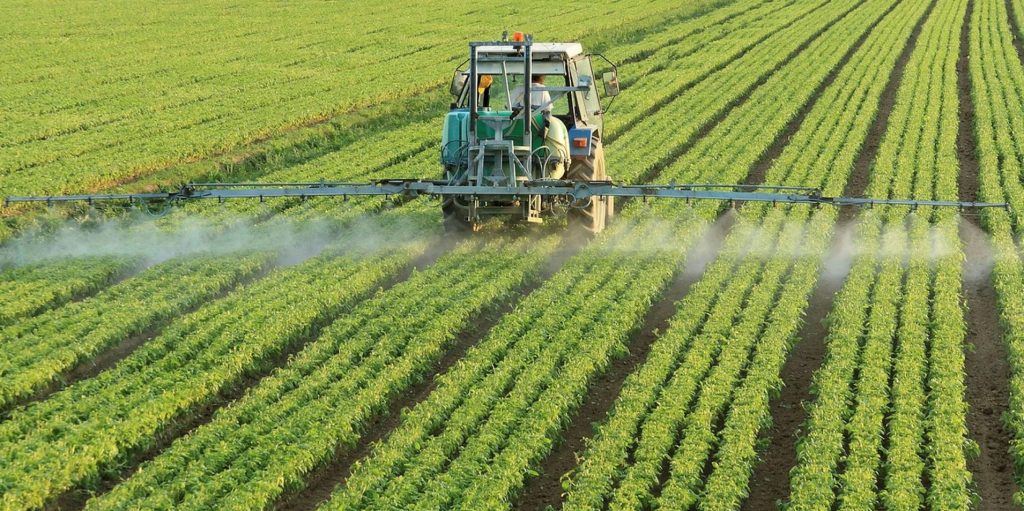
Canadian farmers are among the most adaptive in the world. With the right financial support and policy signals, they can respond to changing market demand while maintaining strong agricultural traditions. Diversified operations are often more resilient, offering greater stability in the face of market and climate volatility.
World Animal Protection is working with the Embassy of Denmark and the Danish Agriculture and Food Council, through the Danish Plant-based Diplomacy initiative to share their experience building bridges across sectors with Canadian farmers, industry, policymakers and civil society organizations.
Denmark's experience shows this shift succeeds when it is collaborative and takes a holistic approach by stimulating supply and demand while building sectoral bridges.
Canada has the foundation to build on the Danish example by developing a clear, coordinated and properly funded national strategy, built with farmers and delivered alongside provinces and industry, that rewards stronger environmental, economic and animal welfare outcomes.
With the right coordination, Canada can move from supplying global markets to shaping them, strengthening the economy, supporting farmers and building a more resilient food system domestically and abroad.
Colin Saravanamuttoo is the the CEO of World Animal Protection Canada.
Jeppe Juul Petersen is the special attaché for food and agriculture at the consulate general of Denmark in New York, and also works on Canada.
The Hill Times