
Young men are struggling with their mental health, and we’re failing them

Watching my university-aged son and his peers navigate early adulthood, I’m struck by how different their world looks from the one my generation was handed. Growing up, I was taught that if I worked hard, I could expect a predictable return: a meaningful career, a home of my own, some sense of long-term security. For this cohort, that promise rings hollow.
Young men in Canada are facing a convergence of pressures from increasing financial and job insecurity to social isolation and, online, an aggressive so-called “manosphere” that trades in toxic definitions of masculinity.
And yet, even as these pressures climb—along with rising levels of depression and anxiety—many still hesitate to ask for help.
Shame is a powerful force. Despite recent efforts to normalize conversations around mental health, new research from GreenShield and Mental Health Research Canada tells us that the message isn’t connecting with this group. One in three young men aged 16-29 views seeking help for mental health struggles as a sign of weakness. Among newcomer young men, who are often managing cultural expectations that leave little room for vulnerability, that figure rises to one in two.
That’s why the moment a young man does reach out for help is so critical. It often takes all the strength he can muster to get there, and, too often, the system fails to meet him in a way that resonates.
Our research shows that 44 per cent of those who needed help in the past year did not access it. Of those who did, nearly half disengaged before their needs were met—put off by a perceived lack of progress or control over their own care. If a young man’s first experience of seeking help feels disempowering or disconnected, why would we expect him to stick around?
The trouble is, when young men don’t view professional care as an option, they find other ways to channel their distress. They are two to three times more likely than the general population to turn to risky coping mechanisms like gambling and substance abuse—predictable responses to pain that has nowhere else to go.
They also look elsewhere for support: AI tools or anonymous online forums where they don’t have to admit weakness or feel shame in front of another human being. But these spaces offer no clinical accountability and, in some cases, actively reinforce harmful narratives.
For many—particularly newcomer young men—stigma is not just personal, but cultural. Having come to Canada as an immigrant myself, I understand how deeply those expectations can shape whether someone feels able to speak up at all. When care doesn’t reflect that reality, it reinforces the silence we’re trying to break.
What we’re witnessing is not simply a problem of access. It’s an issue of relevance. We can keep opening more doors, but if what's on the other side doesn't resonate, those doors don’t matter at all. Care needs to be accessible, yes, but it also needs to be conscious of stigma, discreet when discretion matters, and designed around how young men actually seek help, not how we assume they should.
It also needs to reach those carrying the heaviest load. Racialized, newcomer, and 2SLGBTQIA+ young men face compounded barriers, layered on top of systems that were never designed with them in mind. A one-size-fits-all approach was never going to serve them, and the data confirms it isn't.
The federal government's commitment to Canada's first National Men and Boys' Health Strategy is a meaningful and timely step. But consultation alone isn't enough. We won't fix this by designing solutions in isolation. We need to build them with young men themselves—grounded in their language, their reality, and how they engage with care.
This generation deserves to come of age with the same sense of possibility and connection that previous generations of Canadians have enjoyed. Right now, too many see only the opposite and are pulling inward, coping alone, and losing faith that the system even sees them at all.
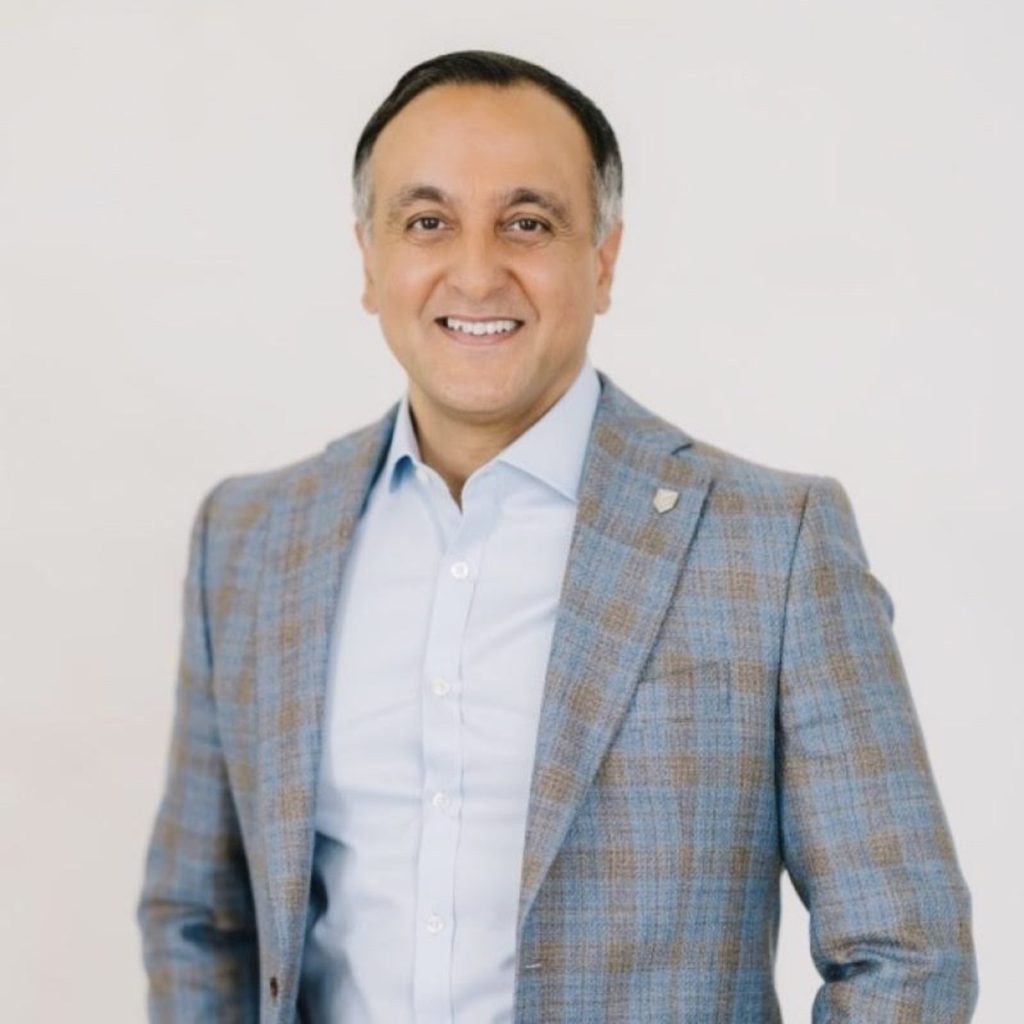
Zahid Salman is the president and CEO of GreenShield, Canada’s only national non-profit health care and insurance organization.
The Hill Times